Skip to content
Insights

AI tools that respect nonprofit realities.

Short reads on how responsible AI helps libraries and community organizations save time, protect privacy, and serve people better.

Plan a pilot
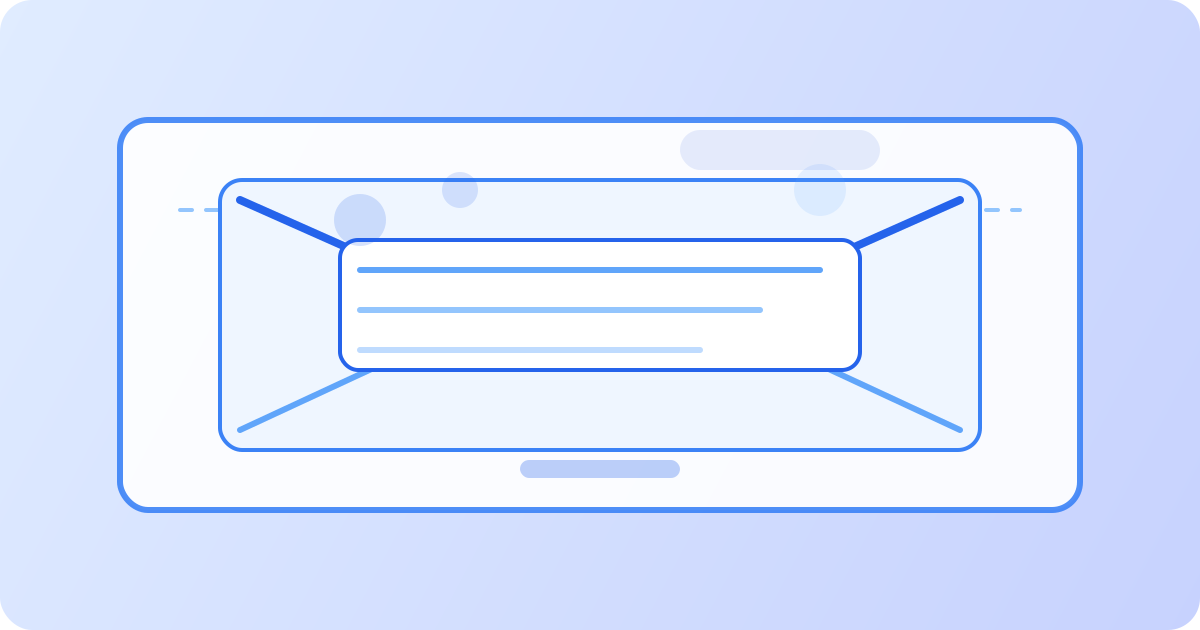
Illustration of an organized inbox and envelopes representing assisted replies.
January 20254 min read

Reducing inbox burnout with assisted responses

Front-line staff spend an enormous amount of time typing the same clarifications and reminders. A shared AI drafting assistant reduces that fatigue while staff keep full authorship. Replies start from approved templates that already include privacy language and links to the right resources.

Why it benefits nonprofit teams

  • Frees up front-line teams to focus on complex community needs instead of repetitive questions.
  • Creates consistent, policy-aligned replies that reduce risk without extra review cycles.
  • Captures approved wording so new staff can respond confidently from day one.
Staff efficiencyResponsible AICommunity trust
Read full article
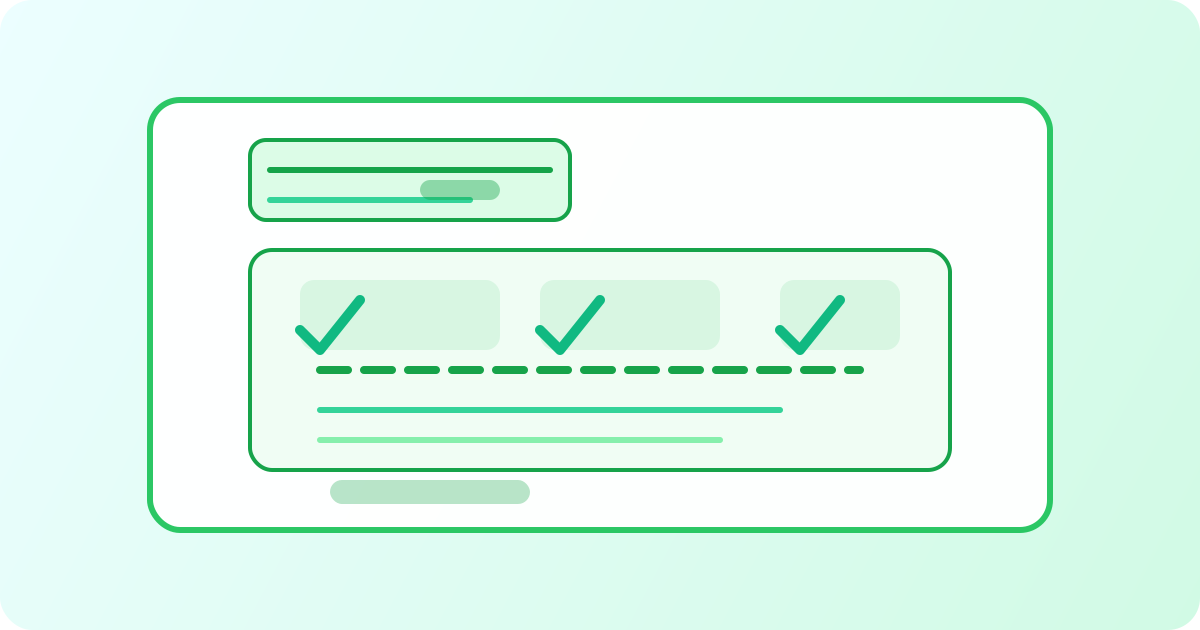
Illustration of a checklist and planning cards for repeatable program prompts.
January 20255 min read

Faster program planning with reusable prompts

Program planning rarely starts from zero. Prompt templates give staff a shared, repeatable starting point that already includes tone, policy reminders, and accessibility notes, so outreach copy and agendas stay aligned.

Why it benefits nonprofit teams

  • Cuts planning time for workshops and events so staff can spend more moments with patrons.
  • Keeps institutional knowledge in one place, reducing the impact of staff turnover.
  • Produces clear, accessible language for grants and outreach without hiring outside writers.
Program designKnowledge sharingPlain-language writing
Read full article
Illustration of neatly stacked reference binders for a volunteer knowledge base.
February 20256 min read

Building a safe knowledge base for rotating volunteers

Volunteer programs thrive on clear instructions, but the people who know the most are often busy. A lightweight, AI-assisted knowledge base surfaces cited answers from your existing materials so volunteers stay supported without interrupting coordinators.

Why it benefits nonprofit teams

  • Gives volunteers trustworthy answers without overloading coordinators with interruptions.
  • Surfaces cited, policy-aligned guidance instead of generic internet tips.
  • Highlights frequent questions so training materials can be improved quickly.
Volunteer trainingKnowledge basesSafety
Read full article
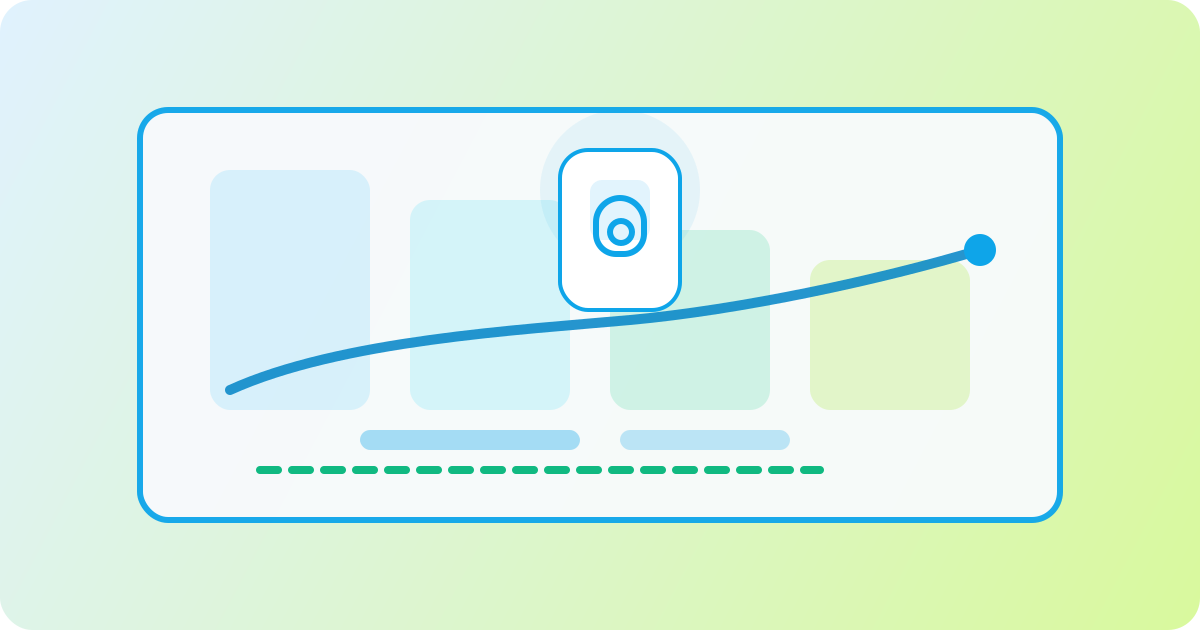
Illustration of charts protected by a privacy lock and clean data bars.
February 20256 min read

Measuring impact with privacy-first analytics

Nonprofits need to show impact to funders without collecting unnecessary personal data. Privacy-first analytics focus on patterns and anonymized themes, offering charts and narratives without creating a shadow database.

Why it benefits nonprofit teams

  • Shows outcomes and trends without storing sensitive personal information.
  • Reduces reporting time with ready-to-share narratives and charts.
  • Builds trust with funders through transparent guardrails and clear methodology.
Impact reportingData privacyAnalytics
Read full article
Illustration of layered speech bubbles for guided, sensitive conversations.
March 20257 min read

Helping staff co-pilot complex conversations

Community-facing staff juggle empathy and policy every day. An AI co-pilot assembles briefings, trauma-informed phrasing, and vetted referrals so teams walk into sensitive conversations prepared and consistent.

Why it benefits nonprofit teams

  • Prepares staff for sensitive conversations with policy-aligned guidance.
  • Creates reusable scenarios for training and role-play exercises.
  • Captures follow-up notes that respect privacy while documenting next steps.
Staff trainingSafetyCoaching
Read full article
Illustration of chat windows and a shield for policy-aware responses.
March 20255 min read

Launching a policy-aware chat for patrons

Patrons want quick answers without hunting through pages. A policy-aware chat widget grounded in your guides and policies can deliver accurate responses, cite sources, and route sensitive topics to humans.

Why it benefits nonprofit teams

  • Provides fast, cited answers that align with approved policies and resources.
  • Keeps sensitive or high-risk topics routed to humans instead of improvised AI replies.
  • Surfaces content gaps and confusing rules through real chat transcripts.
Patron servicesResponsible AISafety
Read full article
Illustration of grant documents and highlighted guardrails.
March 20255 min read

Writing grant narratives with AI guardrails

Grant teams can assemble case statements faster with structured prompts and pre-approved language. Guardrails keep budgets, privacy claims, and community impacts aligned with what leadership has already signed off on.

Why it benefits nonprofit teams

  • Reduces drafting time with reusable, approved language blocks and prompts.
  • Prevents risky claims by flagging missing citations and sensitive details.
  • Keeps finance, programs, and communications aligned on what gets promised to funders.
Grant writingComplianceKnowledge sharing
Read full article
Illustration of accessible icons and balanced layout for inclusive design.
April 20255 min read

Keeping accessibility front and center with AI tools

Accessibility is not an afterthought. AI helpers can generate alt text, plain-language summaries, and multilingual snippets so teams ship inclusive content without extra headcount.

Why it benefits nonprofit teams

  • Produces accessible drafts quickly while keeping humans in the review loop.
  • Creates consistent language and formatting rules across teams and channels.
  • Highlights recurring accessibility gaps so root causes get fixed.
AccessibilityInclusive designContent quality
Read full article
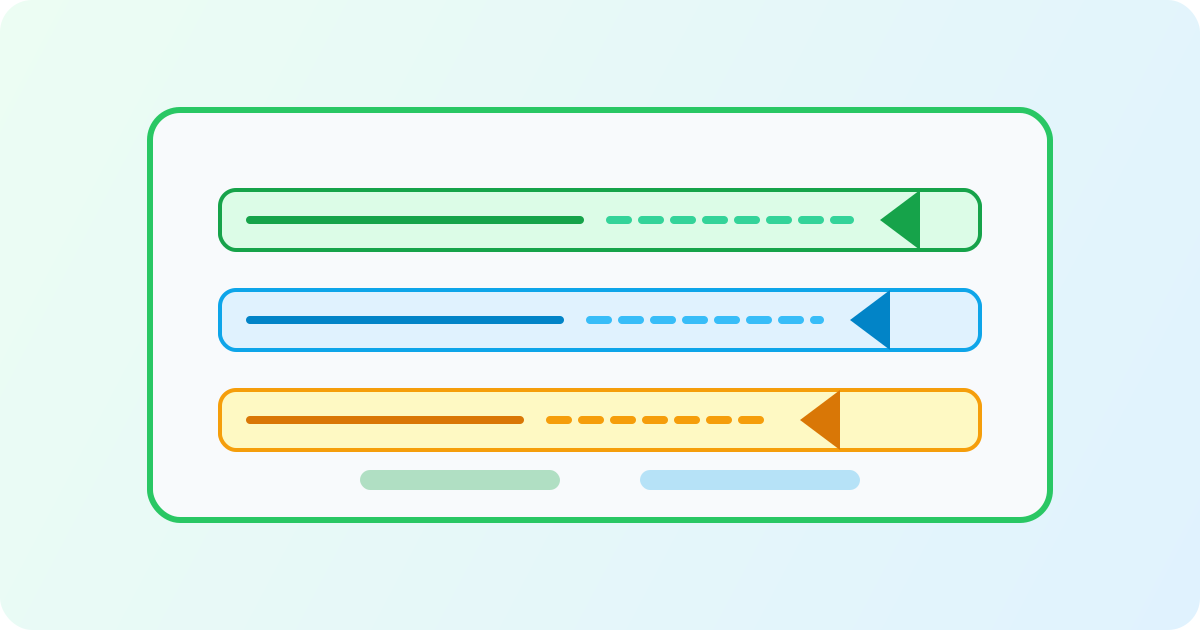
Illustration of progress arrows showing a structured change plan.
April 20256 min read

Change management for AI rollouts in small teams

Successful AI pilots hinge on habits, not just tools. Small teams can start with narrow playbooks, weekly feedback loops, and clear opt-in rules so adoption feels safe and practical.

Why it benefits nonprofit teams

  • Anchors AI adoption to specific tasks with clear “do” and “don’t” rules.
  • Builds trust through short feedback loops and quick fixes to real outputs.
  • Respects staff readiness while still creating momentum toward new habits.
Change managementStaff trainingPilot design
Read full article
Illustration of retention rules with documents, calendars, and safety checks.
May 20256 min read

Data retention rules that keep pilots safe

Strong retention rules let teams learn from AI pilots without stockpiling sensitive data. Clear deletion schedules, redaction prompts, and audit logs protect patrons while still giving useful insights.

Why it benefits nonprofit teams

  • Limits stored data to what is necessary for learning while enforcing deletion schedules.
  • Guides staff away from pasting sensitive details through prompts and upload guardrails.
  • Maintains audit-ready logs that demonstrate compliance to leadership and funders.
Data privacyGovernanceRisk management
Read full article